Making the Most of Your IRL Brand Activations to Build Community That Lasts
The Missing Piece of Most Brand Activations
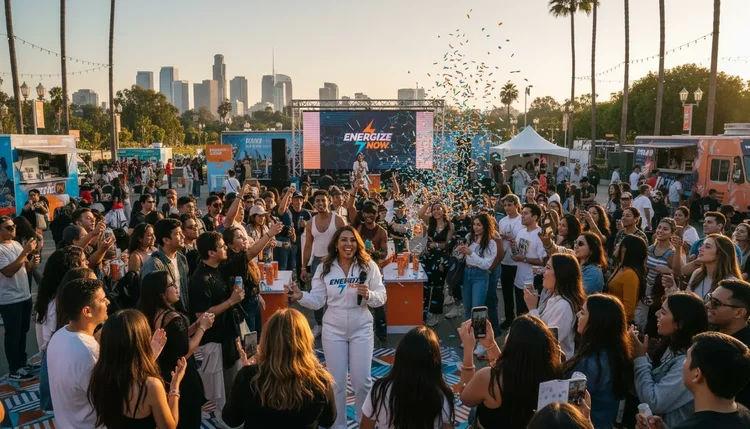
Brand activations have become one of the most effective ways for brands to connect with customers in person. Whether it's a product sampling campaign, a pop-up shop, a branded lounge, a sponsorship activation, or an experiential installation, the goal is usually the same: create an experience that people remember long after they've walked away.
Brands invest significant time and resources into making those experiences successful. They spend months planning activations, coordinating logistics, staffing them, and promoting them. When everything is over, success is often measured by attendance, engagement, social impressions, or the number of people who participated.
Those metrics are useful, but they only measure what happened during the activation itself. They don't tell you whether the people who engaged with your brand remained connected afterward.
That's where many activations fall short.
A successful activation doesn't just create a memorable experience. It creates an opportunity for an ongoing relationship. The brands getting the most value from experiential marketing understand that the activation is not the finish line. It's the beginning of a much longer customer journey.
The Activation Is Just the Beginning
One of the biggest misconceptions in experiential marketing is that the activation itself is the goal.
In reality, the activation is often the introduction.
Think about someone who discovers your brand for the first time at an activation. They stop by, try a product, participate in an experience, ask questions, and leave with a positive impression. That's a successful outcome, but it's still only a single interaction.
The same is true for someone who spends time exploring your activation but isn't ready to make a purchase. They may need more time. They may want to learn more about the brand. They may not have even known your company existed before that day.
Too often, those people are viewed through the lens of conversion. Did they buy? Did they sign up? Did they take the next step?
A better question is whether the brand has a way to continue the relationship.
Community Doesn't Happen in a Single Interaction
Brands talk a lot about community, but community is rarely created through a single experience.
A customer who visits a pop-up once is not automatically part of a community. Someone who samples a product at an activation isn't either. Those interactions matter, but they're only the starting point.
Community is built through repeated engagement over time. It develops when people continue interacting with a brand, participate in future experiences, hear about new products, share feedback, and feel like they're part of an ongoing conversation.
That is what makes activations so valuable.
An activation creates a moment of connection. It introduces someone to the brand in a way that feels more personal than an advertisement or a social post ever could. The challenge is making sure that connection doesn't disappear as soon as the event is over.
The Problem With Most Brand Activations
Many activations do an excellent job of creating interest and a poor job of maintaining it.
A customer might spend ten minutes at an activation, participate in the experience, learn about the brand, and walk away genuinely interested. Yet once the event ends, the brand often has no meaningful way to stay connected to them.
This is especially important because some of the most valuable people at an activation are not the ones who buy immediately.
They're the people who:
- Are discovering the brand for the first time
- Want to learn more before making a purchase
- Enjoyed the experience and want to stay connected
- Could become customers weeks or months later
- Are likely to engage with future experiences
The activation has already accomplished something important. It captured attention and created interest. Without a way to build on that interest, however, many of those potential relationships simply disappear.
Continuing the Conversation
The brands building the strongest communities understand that the activation itself is only the first step.
What happens after the event is often just as important as what happened during it.
That relationship might continue through:
- Future activations
- Product launches
- Exclusive offers
- SMS conversations
- Educational content
- Opportunities for customers to provide feedback
The specific channel matters less than the consistency.
Customers don't think about brands in channels. They don't separate an activation, a store visit, a website visit, and future communications into completely different experiences. To them, it's all part of the same relationship.
Creating a Bridge Between the Activation and What's Next
Historically, this has been one of the biggest challenges facing experiential marketers. Activations are excellent at creating engagement, but maintaining that engagement afterward has often required a separate process entirely.
New approaches are beginning to change that. Solutions like Sotto's Phygital Cookie allow brands to identify and engage visitors during physical experiences, making it possible to continue conversations after an activation ends. Instead of relying on a one-time interaction, brands can begin learning about customers, understanding their preferences, and creating more relevant experiences over time.
The goal isn't simply to capture contact information. It's to create a bridge between the activation and everything that comes after it.
The strongest activations don't end when attendees walk away. They create opportunities for people to stay connected to a brand, participate in future experiences, and become part of a community that grows over time.
Awareness is valuable, but community is what lasts. The brands that understand the difference are often the ones that turn a single activation into years of customer relationships.